
For homes
For a home, maintenance usually means a seasonal visit: debris cleared, flashing checked, and a short written record of what the roof needs next.
- Ceiling stains after rain
- Missing shingles after wind
- Clogged gutters and downspouts
Roof maintenance Van Nuys visits exist because Valley roofs fail on a calendar: long dry summers, then concentrated winter rain. BFiber Roofing Repair & Install, based at 14202 Hamlin St, checks the field, flashing, sealant, and drainage before the rain season, so small problems are found while they are still small.
 Inspect flashingClear guttersCheck attic
A maintenance visit is a check, a clean, and a record. Here is what it covers on a Van Nuys roof.
The full roof is walked and photographed: field condition, granule loss, flashing, penetrations, and drainage, so the visit starts from evidence rather than from memory.
Debris is cleared from valleys and gutters, and downspouts are checked for flow, because a roof that cannot shed water will leak no matter how sound its field looks.
Minor repairs are made on the spot where the scope allows: resealing flashing, replacing missing shingles, and refastening exposed fasteners, with anything larger written up rather than improvised.
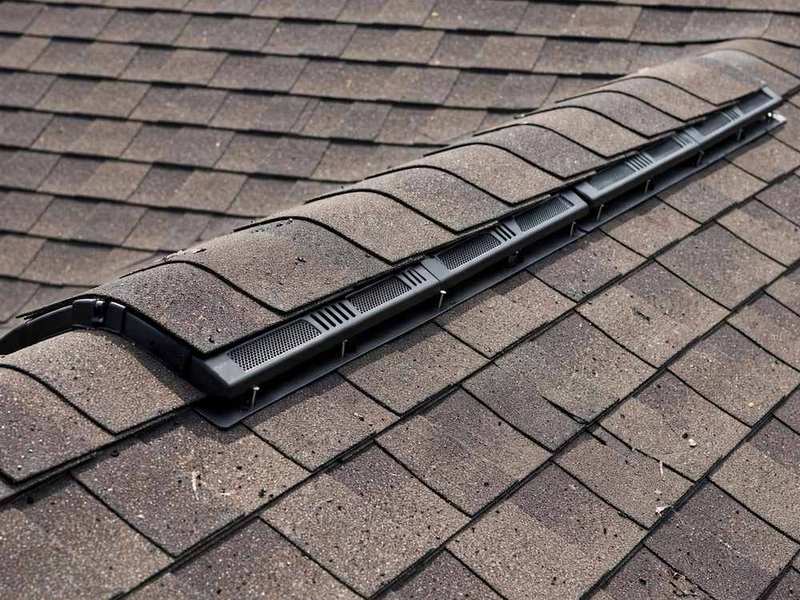
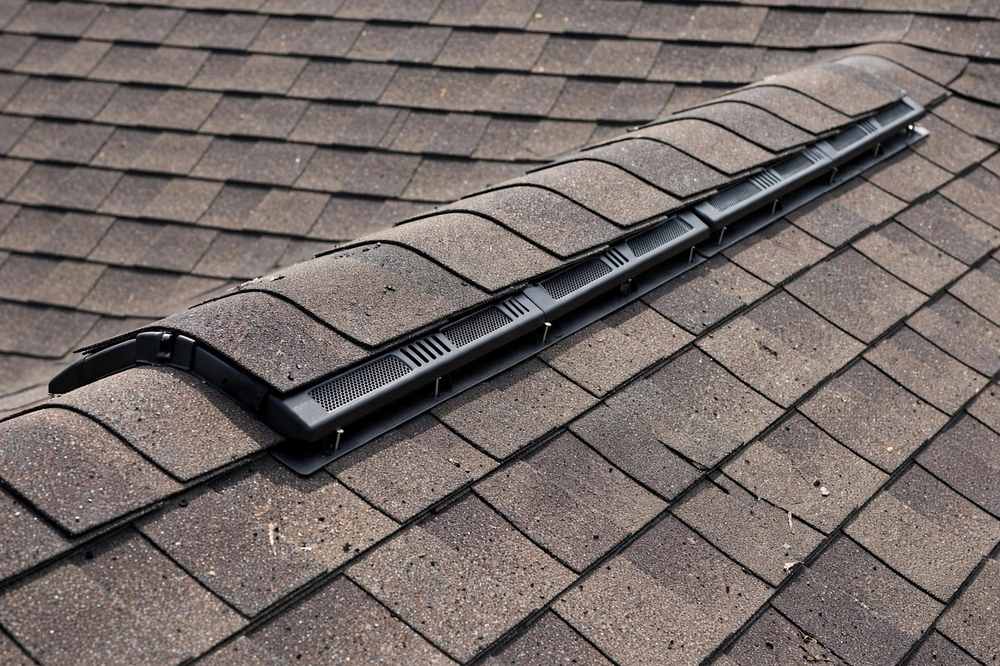
Ventilation is checked at ridge and intake, since a hot, stagnant attic ages shingles from below and traps moisture that rots sheathing.
You receive a written report with photos, so the visit leaves a record a buyer, manager, or future crew can read.
The approach is the same for a home and a business: check, clean, record, then decide. What changes is access, scheduling, and who needs the paperwork.
For a home, maintenance usually means a seasonal visit: debris cleared, flashing checked, and a short written record of what the roof needs next.
For a business, maintenance usually means a flat-roof visit: drains and scuppers cleared, seams and curbs checked, and findings recorded for capital planning.
A plain-language look at what roof maintenance actually involves in Van Nuys, and why timing matters more than frequency alone.
See how it worksRoof maintenance in Van Nuys means working with the rain calendar. The Van Nuys Airport normal is 13.42 inches a year, but July averages 0.00 and February averages 3.79 inches, so flat and low-slope drainage, gutters, scuppers, and valley flashing sit dry and debris-filled for months, then must move several inches of water in a single storm. That first-storm-of-season leak is the standard Valley roofing story, and maintenance timed before the rain season is aimed squarely at it.
Maintenance also answers the heat half of the year. July and August afternoons average 91.2°F and 93.1°F at Van Nuys Airport, and average hottest days reach the mid-100s°F, which dries out sealant, curls shingles, and ages underlayment. A fall visit reads that summer damage — brittle flashing, cracked shingles, granule loss — before winter rain tests it.
Maintenance does not renew a roof. It keeps a sound roof sound, and tells you honestly when the roof has moved past maintenance into repair or replacement.
A predictable sequence, so you know what happens on each visit and what you will receive at the end.
The roof is walked in full and photographed, with the attic checked where accessible for staining and condensation.
Debris is removed from valleys, gutters, and flat-roof drains, and downspouts are checked for flow.
Minor repairs are made where the scope allows — resealed flashing, replaced shingles, refastened fasteners — and larger findings are written up with photos.
Ventilation is checked at ridge and intake, so summer heat and attic moisture are read as part of the visit, not as a separate mystery.
The visit ends with a final report and photos, recording what was done, what was found, and what to watch before the next rain season.
The tools matter less than the sequence they serve. Here is what each one does on a Van Nuys maintenance visit, and the methods that tie them together.
Detects hidden moisture in shingles, underlayment, and attic decking, so a visit finds wet areas that eyes alone would miss.
Reveals temperature differences that indicate wet insulation and trapped moisture, narrowing the search before anything is opened.
Drives nails precisely and quickly when shingles are replaced during the visit, so a small repair holds like the field around it.
Clears leaves, twigs, and grit from roof valleys and gutters, which is often the single most useful act of a maintenance visit.
Keeps technicians safe on steep pitches, where a maintenance visit still carries the same fall risk as any other roof work.
The thermal illustrations on this page are generated from photographs and are not measurements of your roof.
Every layer is photographed before it is covered, so the deck, underlayment, and flashing are on record even after the field material hides them.
An infrared scan maps temperature differences across the field, pointing to wet insulation and hidden leak paths that eyes alone would miss.
Ventilation is checked against the attic volume and the code that governs it, so a maintenance visit reads airflow as part of the roof's condition rather than as an afterthought.
Your home is ageing, and you want to know whether the roof needs work or just watching.
The roof is walked, debris is cleared, flashing and sealant are checked, and findings are ranked as monitor, repair, or replace, so the answer is a plan rather than a worry.
Outcome:You know where the roof stands before the rain season, and small items are handled while they are still small.
You just bought a home and want a baseline for the roof you inherited.
The visit documents the field, flashing, attic, and drainage with photos, giving you a starting record that every later visit can be compared against.
Outcome:The baseline makes the next visit a comparison, not a fresh guess, and it gives a buyer or insurer a dated record.
A commercial building needs its flat roof kept serviceable between larger projects.
Drains and scuppers are cleared, seams and curbs are checked, and findings are recorded for capital planning, so the building's roof is managed rather than reacted to.
Outcome:The roof stays serviceable, and the record shows which areas are ageing fastest when the larger project is eventually scoped.
Winter is coming, and the roof has not been checked since last year.
The pre-season visit clears debris, checks flashing and sealant, inspects ridge vent, and reseals exposed fasteners, so the first concentrated storm tests a prepared roof.
Outcome:The roof enters the rain season clean, sealed, and documented, instead of entering it with a summer's worth of debris in its valleys.
Van Nuys maintenance demand follows the same calendar as its failures. The Van Nuys Airport normal is 13.42 inches of rain a year, concentrated in winter, with February averaging 3.79 inches and July 0.00. A roof that passed a summer glance can leak in December if its gutters are clogged and its flashing has dried out, which is why maintenance is usually timed before the rain season.
Heat is the slower maintenance story: July and August afternoons average 91.2°F and 93.1°F at Van Nuys Airport, and average hottest days reach the mid-100s°F. A fall visit reads that summer damage — brittle flashing, cracked shingles, granule loss — before winter rain tests it.
Van Nuys is a neighborhood in the City of Los Angeles, annexed 22 May 1915, so permits run through LADBS, not the County. A maintenance visit that finds a full replacement is needed should therefore note the LADBS permit route, not a county process that does not apply here.
Before:A bungalow leaked at its flashing every winter, and the flashing had never been checked between storms.
After:The flashing was repaired, the surrounding field was checked for the same ageing, and the visit record noted the flashing as an annual check item.
Check flashing and sealant each fall, before the first concentrated winter rain, since dried-out summer sealant is what fails first.
Before:A commercial TPO roof ponded at its drains and blistered at the seams.
After:Drains were cleared, the seams were checked and repaired, and the slope to the drains was noted for the larger correction the building will eventually need.
Clear flat-roof drains and scuppers before the rain season and after Santa Ana wind events, when Valley gusts drive debris onto the roof.
Before:Shingles were replaced after Santa Ana winds lifted a slope's tabs.
After:Missing shingles were replaced to match the field, neighbouring courses were checked for lifted tabs from the same event, and the ridge along the slope was inspected.
Check the roof after every major windstorm, since Santa Ana season runs October to April and a lifted tab found early is a repair, not a slope replacement.
Maintenance exists to catch these problems while they are still small. Here is what a visit looks for.
Regular maintenance pays off when it changes what the next storm finds. Here is what a seasonal visit gives you.
A leak caught as a flashing check is a reseal; the same leak caught as a ceiling stain is rotted sheathing and interior work. Maintenance finds the source while the fix is still small.
A roof whose debris is cleared, whose flashing is checked, and whose fasteners are refastened ages more slowly than one left to the rain calendar, because each visit removes the small failures that compound into large ones.
A drier attic, season after season, comes from ventilation checked and drainage cleared, so moisture does not sit in sheathing and insulation between visits.
A written record of every visit, with photos, builds a history a buyer, manager, or future crew can read, and it shows which parts of the roof are ageing fastest.
Clear records you can keep and share.
The field, flashing, and drainage photographed as found, before any work is discussed.
A running log of visits, findings, and actions, so the roof's history is in one place.
Findings ordered by urgency, so the next decision is about sequence rather than guesswork.
The date to check again, tied to the rain season rather than to a vague annual habit.
Preventative care and reactive repair answer different questions. Here is how they compare on a Van Nuys roof.
Scheduled checks, cleaning, and small fixes before failures appear.
Repairs made after a leak or failure has already shown itself.
Urgent work when water is entering and the roof must be dried in.
Based in Van Nuys and covering the places around it. Pick one for local details.
No Van Nuys-only published figure was found for maintenance visits, and no maintenance price is published here. Pricing depends on roof size, system, and what the visit finds, so call (818) 474-8963 to discuss the scope for your roof.
A maintenance visit includes a full roof inspection, debris removal from valleys and gutters, minor repairs such as resealing flashing and replacing missing shingles where the scope allows, attic ventilation checks, and a written report with photos.
General guides commonly recommend annual maintenance, ideally in early fall before the rain season, with more frequent visits for roofs with large trees nearby or roofs over 15 years old. Call (818) 474-8963 to discuss a schedule for your roof.
Roof tune-ups are handled as part of maintenance visits described on this page: clearing debris, checking flashing and seals, and recording what was found. A dedicated roof tune-up service page also exists in the full site; call (818) 474-8963 to discuss which fits your roof.
Related roofing services we offer.
Call (818) 474-8963 and we will inspect your roof, show you photos, and discuss a written scope for the work.
Call (818) 474-8963 to discuss your roof and schedule a walk-through at a time that works for you. You get photos and a written scope to consider before you decide anything.